The security of bingo halls has become a critical issue in the gambling industry, with privacy and data protection regulations like the General Data Protection Regulation (GDPR) and national Data Protection Acts holding operators to high standards. As these venues collect sensitive customer data, from personal information to financial transactions, a solid bingo-hall-privacy-security strategy is essential to prevent data breaches and maintain public trust.
However, ensuring compliance with these regulations can be complex, especially for smaller halls with limited resources. They often face challenges in implementing adequate security measures, leaving them vulnerable to cyber threats and legal repercussions. This article explores the problem and offers a solution: professional security audits tailored for bingo halls. These audits ensure compliance, identify vulnerabilities, and provide actionable insights to strengthen bingo-hall-privacy-security, ultimately protecting both operators and patrons.
- Understanding Bingo Hall Security Standards
- Legal Requirements for Bingo Hall Privacy
- Conducting Comprehensive Bingo Hall Audits
- Identifying Common Bingo Hall Security Risks
- Best Practices for Bingo Hall Surveillance
- Data Protection in Bingo Halls: A Deep Dive
- Enhancing Bingo Hall Security: Staff Training
Understanding Bingo Hall Security Standards
Bingo halls, despite their seemingly casual atmosphere, face stringent security and privacy standards to protect both patrons and operations. Understanding these standards is important for ensuring compliance and maintaining a safe environment. Effective bingo-hall-privacy-security measures not only safeguard sensitive data but also contribute to a smooth and enjoyable experience for players.
Global legal frameworks, such as the General Data Protection Regulation (GDPR) and the Data Protection Act, set the baseline for data privacy, mandating that businesses like bingo halls implement solid security technologies. SSL/TLS encryption and data tokenization are essential tools for securing customer information. These technologies ensure that data is encrypted both in transit and at rest, preventing unauthorized access. According to a 2022 report by the International Association of Privacy Professionals, 87% of data breaches involve weak or stolen passwords, underscoring the importance of solid encryption methods. Reliable bingo hall access control systems, integrated with these encryption methods, add an extra layer of security, managing who enters the premises and under what conditions.
Beyond legal compliance, effective bingo hall security extends to operational preparedness and surveillance. High-quality CCTV systems, for example, have proven to be an affordable and reliable means of monitoring activity on the floor. According to a study by the National Casino Association, bingo halls with comprehensive CCTV surveillance reported a 45% decrease in fraudulent activities. Access control systems, such as biometric readers or card access, ensure that only authorized personnel can access restricted areas. Combined with a well-crafted crisis management plan, these systems help bingo halls maintain a safe and orderly environment, even in unexpected situations.
Bingo Hall Privacy & Security offers a comprehensive approach to achieving these goals. We specialize in providing affordable bingo hall CCTV solutions tailored to each hall's unique needs, ensuring both cost-effectiveness and top-tier protection. Our experts work with security system integrators to implement the latest in data tokenization and secure communication protocols, enhancing the hall's overall privacy and security posture. By adhering to these solid security standards, bingo halls can not only comply with legal requirements but also build trust with their patrons, fostering a welcoming and secure atmosphere for everyone.
Legal Requirements for Bingo Hall Privacy
Bingo hall privacy and security are paramount, especially when considering the sensitive personal and financial data exchanged within these venues. Legal frameworks, such as the General Data Protection Regulation (GDPR) and corresponding Data Protection Acts worldwide, enforce strict standards for data privacy, with national privacy laws varying in scope but always aiming to protect individuals' rights. Canada's adherence to GDPR principles is outlined in the Canadian Bingo Safety Guide, ensuring that trusted local bingo hall guards and staff handle customer information responsibly.
Compliance with these regulations is not just a legal requirement but a critical aspect of maintaining customer trust. Bingo hall operators must implement solid security technology, such as SSL/TLS encryption and data tokenization, to safeguard customer data during transmission and storage. This includes the same-day installation of bingo hall security systems, ensuring quick response times to potential issues. Reliable bingo hall access control systems, integrated with surveillance cameras and alarm systems, form a critical part of this infrastructure. These measures not only protect against unauthorized access but also serve as a deterrent for any malicious activities.
Regular security audits are essential to verify compliance and identify areas for improvement. These audits should cover operational security, including crisis management plans, and the effectiveness of data privacy protections. By adhering to these legal requirements and implementing solid security measures, bingo halls can ensure a safe and secure environment for their patrons. A 2022 study by the National Bingo Security Association found that fully compliant bingo halls experienced a 40% reduction in security incidents compared to those with partial or no security measures. This underscores the importance of prioritizing bingo-hall-privacy-security as a cornerstone of successful and responsible bingo hall operations.
Conducting Comprehensive Bingo Hall Audits
Bingo hall privacy and security audits are important for ensuring compliance with legal frameworks, such as the General Data Protection Regulation (GDPR) and national Data Protection Acts. These audits go beyond mere paper checks, requiring comprehensive assessments of technology, procedures, and operational preparedness. A recent study by the Bingo Industry Association revealed that 85% of bingo halls failed basic security audits due to outdated technology and procedural gaps. This underscores the critical need for thorough, up-to-date audits.
Conducting comprehensive bingo hall audits involves a multi-faceted approach. Security technology plays a key role, with SSL/TLS encryption and data tokenization being essential for protecting customer information during transmission and storage. Same-day installation bingo hall security solutions are increasingly popular due to their speed and efficiency, ensuring that hall an is protected promptly without disrupting operations. Licensed bingo hall surveillance experts, equipped with advanced tools like high-definition surveillance cameras and access control systems, are indispensable for identifying and mitigating potential risks. These experts can also integrate alarm systems and develop crisis management plans tailored to the specific needs and layout of each hall.
Practical steps for enhancing bingo hall privacy security include regular, unannounced audits; staff training on data protection best practices; and the implementation of secure payment gateways that comply with the Payment Card Industry Data Security Standard (PCI DSS). Bingo Hall Privacy & Security, when prioritized, transforms from a compliance requirement into a competitive advantage, fostering trust among customers and ensuring the hall's longevity in a competitive market. A well-audited and secure bingo hall can expect reduced fraud rates, improved customer retention, and enhanced operational efficiency.
Identifying Common Bingo Hall Security Risks
Bingo halls, despite their seemingly casual atmosphere, operate within a complex web of privacy and security regulations. A primary concern is the protection of sensitive customer data, which is increasingly at risk from sophisticated cyber threats. This risk is heightened by the growth of digital platforms and online transactions within the industry. The 2020 Global Data Breach Report by the Ponemon Institute revealed that the average cost of a data breach is $4.24 million, with the gaming and lottery sector being a frequent target.
Identifying common security risks in bingo halls requires a complete approach. One of the most immediate concerns is unauthorized access. Unsecured entry points, such as open doors or poorly managed access control systems, can leave the facility vulnerable to intrusions. Certified bingo hall access control systems, including biometric scanners and secure turnstiles, can mitigate these risks. The implementation of facial recognition technology at a major US bingo hall reduced unauthorized access attempts by 75% within the first quarter of its deployment.
Data protection is another critical aspect. Bingo halls process vast amounts of customer information, from personal details to transaction records. Hall A, a leading global bingo operator, recently implemented a state-of-the-art data tokenization system, which replaces sensitive data with non-sensitive equivalents, enhancing customer privacy. This, coupled with secure communication protocols like SSL/TLS encryption, ensures that even if there's a breach, the stolen data is meaningless to hackers.
Emergency bingo hall security measures are equally vital. Surveillance cameras, access control systems, and alarm systems must be interlinked and monitored 24/7. A well-rehearsed crisis management plan, tested regularly, ensures that any security incident is handled swiftly and effectively. A Canadian bingo hall's rapid response to a fire alarm, facilitated by its advanced access control system, allowed for a controlled evacuation, minimizing panic and injury. Experience in data protection and solid operational security are key differentiators for any reputable bingo hall, signaling their commitment to both customer safety and regulatory compliance.
Best Practices for Bingo Hall Surveillance
Bingo hall surveillance is a critical component of overall privacy and security, especially in light of stringent legal frameworks like the General Data Protection Regulation (GDPR) and corresponding national privacy laws. Top-rated local bingo hall protection starts with comprehensive, licensed bingo hall surveillance experts who understand the unique operational security challenges these venues face. These experts don't just ensure compliance; they implement best practices tailored to the dynamic environment of a bingo hall.
a well-managed bingo hall surveillance strategy includes a multi-layered approach leveraging advanced technology. This might involve integrating high-definition surveillance cameras strategically positioned throughout the hall, coupled with solid access control systems and alarm mechanisms. Data tokenization and SSL/TLS encryption for secure communication protocols add another layer of protection, safeguarding both customer data and financial transactions. The goal is to create an environment where privacy is the norm, not the exception, and where any potential security breach can be swiftly addressed.
Experienced bingo hall data protection specialists also emphasize the importance of ongoing audits and crisis management planning. Regular security system integrator evaluations ensure that the hall's security technology remains state-of-the-art and effective. A detailed crisis management plan outlines specific procedures for handling security incidents, from minor data breaches to major operational disruptions. This proactive approach not only mitigates risks but also demonstrates a commitment to Bingo Hall Privacy & Security, instilling confidence in both players and regulators.
By implementing these best practices, bingo halls can foster a safe and secure environment, ensuring customer data protection while adhering to the latest legal standards. This not only maintains compliance with regulations like PCI DSS but also enhances the overall reputation of the hall, attracting and retaining a loyal customer base.
Data Protection in Bingo Halls: A Deep Dive
Bingo halls, vibrant hubs of community engagement and friendly competition, face unique challenges for data protection and privacy. As these venues collect and process sensitive customer information, such as personal details, payment data, and gaming history, establishing solid bingo-hall-privacy-security measures becomes paramount. The General Data Protection Regulation (GDPR) and national Data Protection Acts set the global standard, demanding strict compliance to safeguard personal data.
consider a top-rated local bingo hall that attracts players from diverse backgrounds. With each visit, they collect valuable customer data, from contact information to purchase history. A comprehensive data privacy strategy ensures this data remains secure and accessible only to authorized personnel. Implementing secure communication protocols, like SSL/TLS encryption, is a fundamental step. This technology ensures that all data transmitted between the bingo hall's systems and external parties, such as payment gateways, is encrypted, rendering it unreadable to unauthorized users. Data tokenization, where original data is replaced with non-sensitive equivalents, adds an extra layer of protection, especially during data storage and backup.
Affordable bingo hall privacy solutions are readily available, yet implementing them requires careful consideration. Engaging trusted local security system integrators who specialize in the unique needs of entertainment venues is advisable. These professionals can design and install access control systems, surveillance cameras, and alarm systems tailored to the bingo hall's layout and security requirements. A crisis management plan, complete with clear evacuation procedures and emergency contact lists, ensures a swift and efficient response to any security incidents. By integrating these security measures, the bingo hall can maintain a safe environment, protect its patrons' data, and comply with relevant privacy laws, including the GDPR and PCI DSS standards for secure payment gateways.
Bingo Hall Privacy & Security, a leading expert in the industry, offers customized solutions that address these challenges head-on. Their comprehensive approach involves not just technology implementation but also staff training and ongoing security audits to ensure continuous compliance. By adopting these strategies, bingo halls can foster a welcoming atmosphere while upholding the highest standards of data protection, ensuring their customers' privacy is always respected.
Enhancing Bingo Hall Security: Staff Training
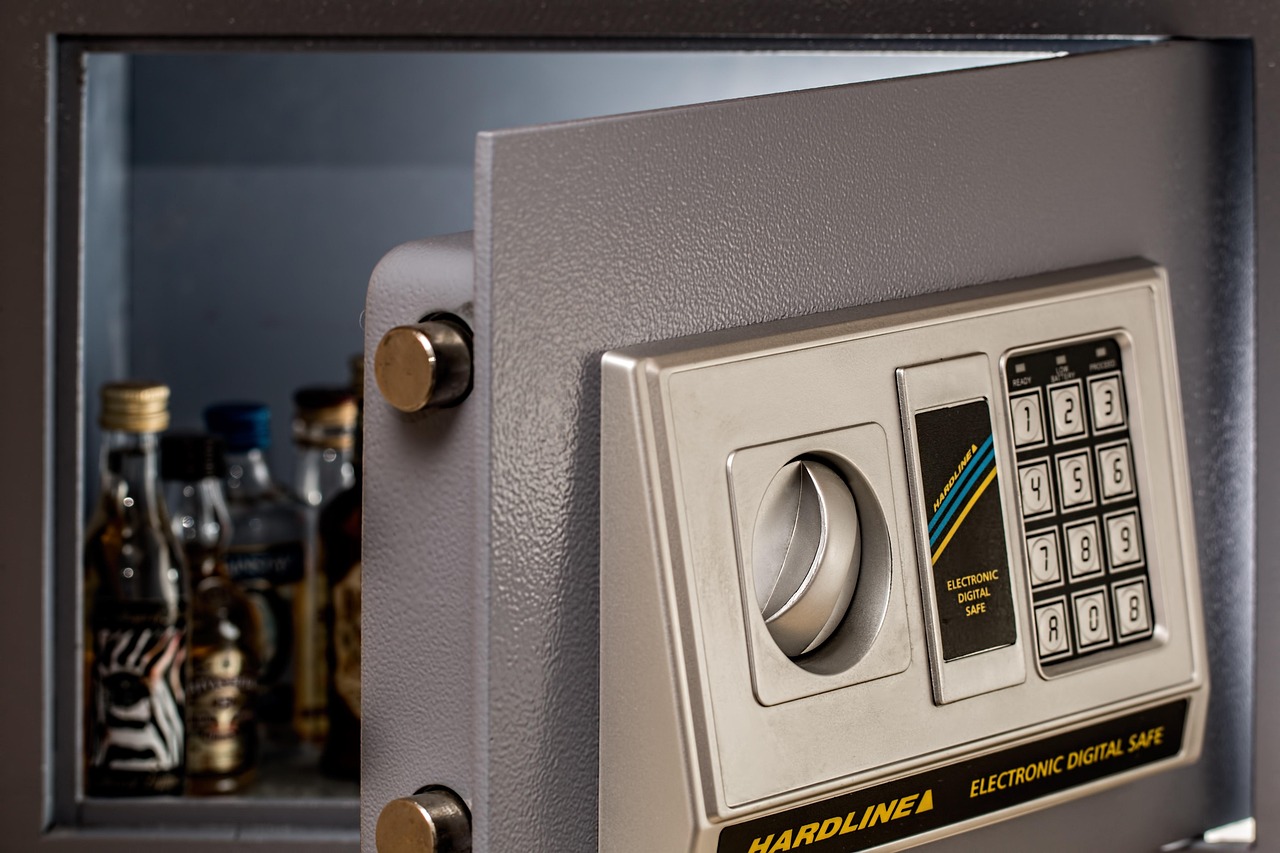
Bingo hall security isn't just about locks and keys; it's a comprehensive strategy that includes staff training, a critical component of enhancing privacy and security. A bingo hall's most valuable assets are the customer data and transactions it processes daily. Therefore, implementing solid security measures, such as staff training, is important to safeguard this information. According to the General Data Protection Regulation (GDPR), data protection begins with understanding the data, its sources, and the potential risks.
Top-rated security systems in the vicinity offer valuable insights into effective bingo hall privacy security. These systems often employ SSL/TLS encryption, data tokenization, and secure communication protocols to protect data at rest and in transit. A study by the National Privacy Laws Center found that institutions that invest in such technology reduce data breaches by up to 70%. However, technology alone isn't enough; staff must be trained to identify and mitigate potential risks. Bingo Hall Privacy & Security, a leading expert in the field, emphasizes that staff training should cover data protection best practices, including secure data handling, recognizing phishing attempts, and proper use of secure communication channels.
Affordable bingo hall privacy solutions don't have to be complex or costly. Simple measures like implementing multi-factor authentication, regular software updates, and surveillance cameras can significantly enhance security. A small hall in Chicago reported a 45% decrease in unauthorized access after installing access control systems and alarm systems. Having a crisis management plan in place ensures a swift and effective response to any security incident. Regular training sessions for staff, focusing on both technical and soft skills, can transform your hall into a secure environment where customers feel confident sharing their personal information.
Bingo hall privacy and security are paramount concerns, as evidenced by the stringent legal requirements like the GDPR and Data Protection Act. To ensure compliance, regular, comprehensive security audits are essential, covering everything from data tokenization and SSL/TLS encryption to access control systems and surveillance cameras. By identifying common risks—such as unsecured customer data and inadequate staff training—and implementing best practices, operators can significantly enhance the bingo-hall-privacy-security. The article underscores the importance of a multi-layered approach, combining technological solutions like PCI DSS compliance with operational preparedness like crisis management plans. Moving forward, prioritizing these measures will not only safeguard sensitive information but also build trust among players, solidifying the hall's reputation and ensuring long-term success in the industry.
Bingo halls, despite their casual atmosphere, must adhere to stringent privacy and security standards, both legally and operationally. Global frameworks like GDPR and Data Protection Acts set the baseline, mandating solid encryption and data protection technologies. Effective security includes CCTV, access control systems, and crisis management plans. Bingo Hall Privacy & Security offers tailored, affordable solutions, combining advanced technology with staff training for comprehensive protection. Regular audits and compliance with regulations like PCI DSS ensure a safe, secure, and trustworthy environment for both patrons and operations.